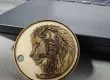
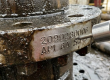
What Is Laser Etching?
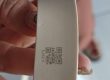
If you ask, “What is laser etching?” here is a simple answer. Laser etching uses a focused laser beam to melt the top of a material. The laser changes the surface and makes a mark that stays. You do not have to touch the object at all. The laser does everything from far away. This method works on many things like metal, glass, and plastic.
Scientists have tested laser etching by making tiny lines on quartz glass. They used femtosecond laser pulses and changed the energy and speed. They looked at the marks with strong microscopes to see how deep and wide they were. These tests show that laser etching really works. Scientists also use computers to guess how the laser will mark different surfaces.

How It Works
First, you make a digital design. The laser etching machine reads the design and moves the laser over the material. The laser heats the surface very fast. The heat melts or sometimes turns a thin layer into gas. This makes a mark you can see and feel. The process does not go deep into the material. It only changes the top layer.
Laser etching can change how a surface looks and works. For example, scientists use lasers to make tiny channels on silicon. These channels help control how liquids move. If you change the laser settings, you can make the surface rough or smooth. A rough surface can slow water in one way but make it go faster in another. So, laser etching is not just for making marks. You can also use it to change how things work.
A computer controls the whole process. The laser etching machine follows your instructions exactly. You do not need to touch the material, so it is safer. This makes laser etching a good choice for many jobs.
Etching vs. Engraving
You might wonder how etching and engraving are different. Both use lasers, but they do not work the same way.
- Laser etching melts or turns only a thin top layer into gas. This makes it quick and good for thin or delicate things.
- Laser engraving cuts deeper into the material. It makes grooves you can feel with your fingers. This is better for marks that need to last or stand out.
- Etching often uses fiber lasers for metals and CO₂ lasers for plastics. These lasers are fast and precise.
- Engraving needs more power and moves more slowly to cut deeper.
- Metals like steel need more energy for deep engraving. Plastics and glass are better for etching or shallow marks.
- Etching is usually faster and costs less. Engraving is better for deep, strong marks.
Here is a table to help you see the main differences:
Feature | Laser Etching | Laser Engraving |
|---|---|---|
Depth | Very shallow (0.01–0.05 mm) | Deeper grooves (0.1–5 mm) |
Speed | Fast | Slower |
Precision | High | Lower (due to more heat) |
Material Effect | Surface change, minimal damage | Melting, vaporizing, and more thermal damage |
Best For | Fine, shallow, precise marks | Deep, tactile, long-lasting marks |
Cost | Lower | Higher |
Laser etching uses a cold process called photochemical decomposition. The laser breaks chemical bonds on the surface with little heat. This keeps the material strong and safe. Laser engraving uses more heat and melts or turns the material into gas. This can cause more damage but makes deeper marks.
Tip: If you want a quick, precise mark on a thin or delicate item, pick laser etching. If you need a deep, strong mark, laser engraving is better.
When you use a laser etching machine, you do not touch the material. The computer controls everything. This means your marks are always exact. You also keep your materials safe from harm.
Laser Etching Process and Applications
Process Steps
First, you make a digital design on your computer. This design tells the laser etching machine where to put marks. After you upload the design, the machine uses a strong laser beam. The laser sends out quick bursts of energy to the surface. For example, a 100W pulsed laser can make 100,000 bursts every second. Each burst melts a tiny bit of the top layer. The heat makes the surface get bigger and change shape. When it cools down fast, you see a mark that stays forever.
The laser etching machine works very quickly. It only melts a thin layer, so it moves fast. You can change the laser’s power and speed for each material. Aluminum melts at about 566-585°C. Stainless steel melts at 1375-1450°C. The machine uses these numbers to keep the marks clear and safe. Fiber lasers with a 1064 nm wavelength work best for metals. They move energy to the metal very well. This gives you clear, lasting marks every time.
Tip: Always check the melting point of your material before you start. This helps you pick the right laser power and speed for good results.

Materials
Laser etching works on many different materials. The most common ones are metals, plastics, glass, ceramics, and stone. Here are some examples:
- Stainless steel: Used for tools, medical items, and machine parts.
- Aluminum: Used for electronics, car parts, and tags.
- Ceramics: Used in electronics and for decorations.
- Plastics (like PMMA): Used for signs, labels, and products.
- Copper: Used for circuit boards and electric parts.
- Polycrystalline diamond: Used for cutting tools and jewelry.
- Hybrid metal matrix composites (HMMCs): Used in planes and cars.
Scientists say you must change the laser’s power, speed, and pulse for each material. For example, going faster on PMMA makes the surface smoother. On copper, more power makes the mark deeper. On HMMCs, you need to balance power and speed to keep the surface safe. Every material acts differently, so you should test and change your settings.
Note: Always test a small spot first when you use a new material. This helps you avoid mistakes and get the best results.

Types of Lasers
There are different lasers you can use for etching. Each one works best with certain materials and jobs. Here is a table to help you compare:
| Laser Type | Best Materials | Key Features | Common Uses |
|---|---|---|---|
| CO2 Laser | Plastics, glass, wood | Wavelength: 10.6 μm, high power, fast scanning | Printing plates, glass scales |
| Nd: YAG Laser | Metals, diamonds, wood | Pulse frequency control, deep engraving possible | Jewelry, steel, wood |
| Fiber Laser | Metals (steel, aluminum, etc.) | Wavelength: 1064 nm, high precision, fast marking | Industrial metal marking |
| UV Laser | Metals, plastics, glass | High precision, minimal heat impact | Micro-engraving, electronics |
| Diode Laser | Coated surfaces, soft materials | Affordable, good for beginners | Hobby projects, coated items |
Fiber lasers are best for metals. They make deep, clear marks and work fast. CO2 lasers are good for things like wood and glass. Nd: YAG lasers are used for jewelry and hard metals. UV lasers are great for tiny, detailed marks. Diode lasers are cheap and easy to use, but they do not work well on bare metals.
Uses and Benefits
Laser etching is used in many jobs and art projects. It is common in cars, electronics, healthcare, and packaging. You can use it to put serial numbers, barcodes, and logos on metal parts. In packaging, laser etching is better than ink because it is cleaner and lasts longer. More than 20,000 laser machines are used around the world for marking. The number of laser etching machines grows by 20–25% every year.
Here are some good things about laser etching:
- Very exact and fast
- Marks that never fade
- No touching the material, so less risk of harm
- Low cost and easy to take care of
- Can make detailed images and designs
- Little heat damage, even on soft items
You can also use laser etching to make things special. Many companies let you add names, dates, or designs to jewelry, awards, and phone cases. These marks last a very long time.
Did you know? Laser etching can make both useful codes and pretty pictures. This makes it great for both work and art.
Choosing a Machine
When you pick a laser etching machine, you need to think about a few things. Here is a table to help you compare:
| Laser Type | Suitability for Materials | Advantages | Limitations | Price Range (USD) |
|---|---|---|---|---|
| Diode Laser | Coated surfaces, softer materials | Affordable, good for beginners | Not enough power for bare metal | $300 – $1,000 |
| CO2 Laser | Non-metals, coated metals (with spray) | Versatile for wood, acrylic, and coated metals | Not effective on bare metals, needs spray | $2,000 – $20,000 |
| UV Laser | Metals and non-metals | High precision, minimal heat impact | Not for deep metal engraving, expensive | $15,000 – $70,000 |
| Fiber Laser | Metals (steel, aluminum, brass, etc.) | Fast, accurate, deep engraving, industrial | Higher cost, but long-term value | $5,000 – $50,000 |
To choose the best laser etching machine, follow these steps:
- Find out which laser type fits your material and project.
- Decide how much money you want to spend, including care costs.
- Read reviews to learn how the machine works for others.
- Think about what you might need in the future, like new materials or bigger jobs.
- Look for good help from the maker, like warranty and training.
- Make sure the software is easy to use and fits your work.
- Plan to take care of your machine so it works well.
Tip: If you want to etch metals, fiber lasers are best. For wood or acrylic, CO2 lasers are a better pick.
Now you know laser etching melts the surface to make marks that last. Etching is fast, exact, and safe to use. You can try laser etching on lots of materials. Some new trends are fiber lasers and AI systems. More materials can be used now. You should start by learning about machines or asking experts for help.
FAQ
Is laser etching safe for delicate materials?
Yes. Laser etching uses minimal heat, especially with UV and fiber lasers. This means less thermal damage, making it safe for delicate materials like glass, plastics, and electronics.
What types of lasers are used for etching?
-
Fiber lasers → best for metals
-
CO₂ lasers → wood, acrylic, glass, plastics
-
UV lasers → micro-etching, electronics, delicate materials
-
Nd: YAG lasers → jewelry, diamonds, hard metals
-
Diode lasers → coated surfaces and beginner projects
What materials can be laser etched?
Laser etching works on metals (like stainless steel, aluminum, copper), plastics (PMMA, coated plastics), glass, ceramics, stone, and even diamonds. Each material requires different power and speed settings.
How is laser etching different from laser engraving?
Etching alters only a thin top layer (0.01–0.05 mm), while engraving cuts deeper (up to 5 mm). Etching is faster, precise, and better for delicate items, while engraving makes stronger, longer-lasting marks.
What is laser etching?
Laser etching is a process that uses a focused laser beam to melt or slightly vaporize the surface of a material. This creates a permanent, shallow mark without physically touching the object.
What is the difference between laser etching and laser engraving?
Laser etching only melts the very top layer. Laser engraving goes much deeper into the material. Etching is good for marks that are not deep. Engraving is better for marks that need to last longer.
Can you laser etch any material?
You can use laser etching on many thin materials like metal, plastic, glass, and ceramics. Some materials need special settings to work well. Always test a small spot before you start.
Is laser etching safe to use?
Laser etching is safe if you follow the safety rules. You should wear eye protection. Keep your work area clean. Never leave the machine running by itself.