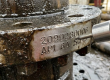
Rotary marking is the game-changer you need if you’re in industries like automotive, aerospace, or medical device manufacturing. Why? It ensures precise, durable marks on cylindrical objects—think pipes, valves, tools, and more. These markings aren’t just for show; they’re critical for tracking, traceability, and compliance.
In this guide, you’ll uncover how dot peen and laser marking technologies dominate rotary marking, how they work, and their best applications. Whether you’re looking for cost-effective durability or high-precision versatility, this breakdown will help you make the right choice for your marking needs.

Why Rotary Marking?
Rotary marking involves marking cylindrical items by rotating them during the process. This ensures clear, consistent markings around the object’s edges—essential for product identification and quality assurance.
- Industries Using Rotary Marking: Automotive, aerospace, medical devices, industrial manufacturing, and more.
- Benefits: Enhanced traceability, durability, and professional-grade results.
Dot Peen vs. Laser Rotary Marking
Dot Peen Marking
How It Works: Dot peen machines use a stylus to create patterns, characters, or designs by indenting the material’s surface with tiny dots. A rotary attachment ensures the object rotates smoothly for cylindrical marking.
Key Advantages:
- Durable Marks: Perfect for harsh environments.
- Cost-Effective: Low operational costs.
- Versatility: Marks metals and hard plastics efficiently.
Laser Marking
How It Works: Laser marking uses a high-energy beam of light to etch or engrave the surface of cylindrical objects. With a rotary device, the laser achieves seamless 360° engravings.
Key Advantages:
- High Precision: Ideal for intricate designs.
- Fast and Clean: Non-contact process with no wear and tear.
- Material Range: Works on metals, ceramics, and even polymers.
How Dot Peen Rotary Marking Works?
Step-by-Step Process:
- Machine Setup:
- Connect the machine and rotary device.
- Power on and run system checks.
- Positioning the Workpiece:
- Secure the cylindrical object in the rotary attachment.
- Ensure smooth rotation for accurate marking.
- Software Configuration:
- Open the marking software.
- Set rotary marking mode and enter the object’s diameter (e.g., 30 mm).
- Create and align your marking design (e.g., text rotated at 90°).
- Marking Process:
- Run a test to verify the marking position.
- Start marking while the rotary device rotates the object.
- Inspection and Finishing:
- Inspect the final markings for clarity and quality.
For more details, you can watch the video here.
What are the Main Applications for Dot Peen Rotary Marking?
Industry-Specific Uses:
- Automotive: Mark’s engine parts, gears, and shafts for traceability.
- Aerospace: Identifies turbine blades and engine components.
- Industrial Manufacturing: Marks tools and machinery parts for inventory control.
Common Products Marked:
- Pipes: Specifications, production dates, and tracking codes.
- Valves: Size and type for maintenance and replacement.

How Laser Rotary Marking Works?
Step-by-Step Process:
- Setup and Preparation:
- Power on the machine and attach the rotary device.
- Ensure alignment and stability.
- Positioning the Object:
- Secure the cylindrical object (e.g., pipe, tube).
- Use alignment tools to position the design precisely.
- Configuring the Software:
- Open the laser marking software (e.g., EZCAD).
- Import or create your design.
- Enter the object’s diameter and set marking parameters (power, speed, frequency).
- Red Light Positioning and Focus:
- Test the laser’s position using red light.
- Adjust the focus for sharp, accurate marking.
- Start the Marking Process:
- Initiate the marking process; the rotary device rotates the object for 360° engraving.
- Post-Marking Inspection:
- Clean debris and inspect the marks for quality.
For more details, you can watch the video here.
What can Laser Rotary Marking do for You?
Industry-Specific Uses:
- Medical: Engraves instruments with codes for compliance.
- Electronics: Label components to withstand high temperatures.
Common Products Marked:
- Tubes: IDs and specifications for plumbing or HVAC systems.In the plumbing and hardware industry, marking heavy pipes, valves, and water fittings can be a logistical nightmare. That’s where our handheld laser marking solutions for sanitary ware shine, allowing operators to rapidly engrave serial numbers and specs on cumbersome components without moving them to a dedicated marking station.
- Cylindrical Tools: Logos and serial numbers on drill bits and cutting tools.
- Electrical Connectors: Marks for traceability and branding.

Dot Peen or Laser Rotary Marking: Which is Right for You?
- Choose Dot Peen if you need durable, cost-effective marks for rugged environments.
- Opt for Laser if precision, speed, and material versatility are top priorities.
Case 1: Automotive Industry
Problem: A leading automotive manufacturer needed to mark engine parts and gears for traceability.
Solution: They invested in a dot peen rotary marking machine. The durable, high-contrast marks could withstand heat, oil, and wear over time.
Result: Improved quality control and compliance with ISO standards.
Customer Review:
“The dot peen machine has transformed our production line. The markings are clear, permanent, and easy to scan. It’s reliable and cost-effective!”
— John D., Automotive Plant Manager
Case 2: Medical Devices
Problem: A medical equipment supplier needed precise marking for surgical instruments to meet FDA traceability requirements.
Solution: A laser rotary marking machine was implemented to engrave logos, serial numbers, and compliance codes on stainless steel instruments.
Result: Enhanced product traceability and reduced compliance risks.
Customer Review:
“The laser engraver gives us professional-grade results. The rotary feature is perfect for marking small, cylindrical instruments with precision!”
— Karen L., Operations Manager
FAQs
What is rotary marking, and why is it used for cylindrical parts?
Rotary marking involves rotating cylindrical objects like pipes, shafts, or tools during marking to ensure full 360° coverage. It guarantees consistent, clear marks for identification and traceability.
What is the main difference between dot peen and laser rotary marking?
Dot peen creates marks through physical indentation, making it highly durable. Laser rotary marking uses a non-contact beam for precise, high-quality engravings, ideal for logos and fine details.
Which industries most commonly use rotary marking?
Industries such as automotive, aerospace, medical devices, and heavy equipment manufacturing rely heavily on rotary marking for part tracking, compliance, and quality assurance.
Can rotary marking be used on both metal and plastic materials?
Yes. Dot peen is best suited for metals and hard plastics, while laser rotary marking works on metals, ceramics, coated surfaces, and even polymers with accurate settings.
Do I need a rotary attachment for every marking machine?
Yes, to achieve 360° cylindrical marking, a rotary attachment is required. Without it, marks may distort or fail to align properly around the part.
Is laser rotary marking faster than dot peen rotary marking?
Laser rotary marking is generally faster and cleaner because it is non-contact. Dot peen is slightly slower but preferred when deep, rugged marks are required for harsh environments.
Are rotary markings permanent and scannable?
Yes. Both dot peen and laser rotary marks are permanent. Laser offers sharper results for barcodes and serials, while dot peen ensures deep, durable marks that withstand wear and corrosion.
How do I choose between dot peen and laser for rotary marking?
Choose dot peen for cost-effective, rugged marks on industrial parts. Choose laser if you need high precision, branding, or compliance marking on medical or high-value components.