How Long Do Laser Engravings Last?
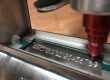
On metals, laser engravings are often permanent. On wood, plastics, and leather, marks can soften or fade with friction, UV, moisture, and aggressive cleaning agents.
You can estimate life by matching material and use conditions. Metals like stainless steel and titanium hold crisp engravings for decades because the laser modifies or removes surface material with high contrast and hardness. Anodized aluminum keeps marks well if the anodic layer is thick.
Plastics vary widely: ABS and acrylic can hold marks, but intense UV or heat can cause color change or surface wear.
Wood and leather look good at first, but frequent handling, oil, sweat, and sunlight can soften edges and reduce contrast.
Depth matters. A deep mark resists abrasion. A shallow mark on a soft substrate will fade faster.
The environment is the third lever. Moisture, salt, grit, and caustic cleaners accelerate wear.
If you want maximum life, choose a hard material, increase engraving depth, use higher contrast settings, and seal or coat the surface where possible.
I test samples under the same stress you expect in real use before full production.
Is it possible to remove laser engraving?
Yes, you can remove or hide laser engravings. You can sand, polish, machine, or overlay a new mark. The best method depends on material and engraving depth.
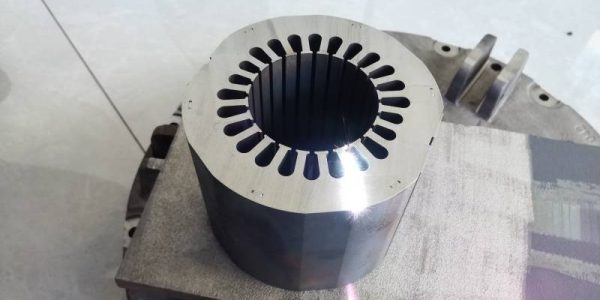
You should pick a removal based on the substrate. On metals, you can polish, sand, or machine the surface until the engraved layer is gone. Fine abrasives and progressive grits help you avoid waves or glare. You can also laser re-pass to blend or add a new design to mask the old mark.
On anodized aluminum, you can strip and re-anodize for a fresh surface.
On plastics, aggressive sanding can deform or haze the surface, so you should use light abrasion and then flame-polish or buff if the plastic allows it.
On wood, you can sand back and refinish.
On leather, removal is hard without changing the texture; masking with a new design is often better.
Chemical removal works only for certain finishes and coatings. Always test a small area first to confirm the final look. If dimensional tolerance matters, measure thickness before and after. I plan removal with the same care as the original engraving, because the finish should look intentional, not patched.
What Are the Disadvantages of Laser Engraving?
Laser engraving has limits: high equipment cost, limited colors, possible smoke on plastics and rubber, and a restricted material range depending on laser type and wavelength.
You face a few clear downsides. The upfront cost can be high, especially for fiber lasers or CO2 systems with large beds and safety enclosures. You get sharp marks, but you do not get full-color output unless you use special processes like annealing on stainless or color change on some plastics, and those have narrow windows. When you engrave plastics or rubber, you can produce smoke and odor. You need a good exhaust and a filter to keep the air clean.
Not all materials engrave well. Some reflect too much, melt too fast, or produce weak contrast. You must match the laser type and wavelength to the job.
Fiber lasers love metals. CO2 loves organics and many plastics. UV lasers handle delicate, thin, or clear materials. You also need training and safety discipline. Class 4 lasers demand eye protection, interlocks, and proper fume handling. I weigh these factors against throughput, precision, and repeatability. If the application needs deep, durable marks, the trade-offs are worth it.
Do laser engravers need maintenance?
Yes, maintenance is essential. Clean optics, check exhaust, replace filters, align and focus, and schedule annual service. Good care protects quality and safety.

You should treat your engraver like a production tool, not a hobby toy.
A weekly routine keeps jobs stable. Clean the lens and mirrors with approved wipes.
Verify focus with a gauge or camera. Run a calibration pattern to confirm beam alignment and scale.
Log hours on the laser source and follow the maker’s service timeline. Keep the firmware and software updated, but validate settings after updates.
For plastics and rubber, add a smoke extractor.
If marks start to look light or fuzzy, stop and inspect optics first. I keep a simple checklist by the machine. It saves me from rework and keeps jobs on time.
Conclusion
Laser engravings can be permanent if you choose the right material, depth, and care, and you maintain your machine.
FAQs
How can I make laser engravings last longer?
To extend the life of an engraving:
-
Use harder, more durable materials (like stainless steel or anodized aluminum).
-
Increase engraving depth for stronger resistance to abrasion.
-
Apply protective coatings or sealants on wood, leather, and plastics.
-
Avoid harsh cleaners, abrasives, or constant UV exposure.
Is laser engraving permanent on all materials?
Not always. On metals, engravings are usually permanent and can outlast the product itself. On materials like wood, leather, and some plastics, the marks may fade over time with frequent handling, sunlight, or exposure to moisture. Choosing the right laser type and settings helps improve permanence.
Can laser engraving produce full-color designs?
Standard laser engraving doesn’t produce full-color images. Some special techniques (like laser annealing on stainless steel or selective color change on plastics) can create limited color effects, but they are not as vibrant or consistent as printing.
What factors affect the durability of a laser engraving?
-
Material: Hard metals last longest, while soft organics fade quicker.
-
Engraving depth: Deeper marks resist abrasion better.
-
Environment: Exposure to UV, salt, moisture, and chemicals can shorten life.
-
Surface treatment: Sealing or coating engraved areas improves longevity.
Do laser engravers need maintenance?
Yes, regular maintenance keeps engravings sharp and machines safe. Key tasks include:
-
Cleaning optics (lens, mirrors) weekly.
-
Checking alignment and focus.
-
Maintaining the exhaust system and replacing filters.
-
Following the manufacturer’s service schedule for the laser source.
-
Using smoke extraction when engraving plastics or rubber.
What are the disadvantages of laser engraving?
-
High initial cost for machines (especially fiber and CO₂ lasers).
-
Limited color options (mostly grayscale marks, except for special cases like stainless annealing or some plastics).
-
Not all materials engrave well; some reflect too much or lack contrast.
-
Smoke and odor when engraving plastics or rubber, requiring good exhaust systems.
-
Requires training and strict safety measures (Class 4 lasers need eye protection and ventilation).
Can laser engraving be removed?
Yes. Removal methods depend on the material and engraving depth:
-
Metals: Sanding, polishing, machining, or re-engraving.
-
Anodized aluminum: Strip and re-anodize for a clean surface.
-
Plastics: Light sanding and polishing (though results vary).
-
Wood: Sand and refinish.
-
Leather: Hard to remove without changing texture, so covering with a new design is often better.
How long do laser engravings last?
Laser engravings on metals like stainless steel and titanium can last for decades because the marks are permanent and resistant to wear. On softer materials like wood, leather, or some plastics, engravings may fade faster due to friction, UV exposure, moisture, or harsh cleaners. Engraving depth, material hardness, and environmental conditions all play a big role in durability.