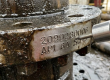
Manufacturing today is considered to be an advanced practice because tracing items, abiding by rules and regulations, and controlling the product’s quality is made possible by product identification for modern-day manufacturers. And from the past ten years of work and learning that I have, I cannot agree more that automated tools aid immensely in these processes and do so with great precision in a timely manner.
This guide will highlight essential strategies used in marketing technology that I have seen from experts and my own work experience. This guide aims to help improve the state of ten proven marking technologies for a variety of industries, including but not limited to automotive, aerospace, and electronics.
Be it your first time looking for marking solutions or an upgrade, this guide presents a plethora of options to pinpoint what best fits your requirements. Let’s dive in.

1. Dot Peen Marking
Process Overview
Dot peen marking is a robust, mechanical marking method that uses a stylus to create indented marks on a surface by striking it in a controlled manner. This process ensures highly legible and permanent markings.
Advantages
- Produces durable marks that withstand wear and environmental factors.
- Works seamlessly on metals, plastics, and other hard materials.
- Highly versatile, suitable for serial numbers, logos, and data matrices.
Applications
Dot peen marking is widely used in industries requiring permanent identification, such as automotive for VIN marking, aerospace for component tracking, and metal fabrication for parts identification.
2. Laser Marking
Technology
Laser marking employs high-energy laser beams to etch, engrave, or mark surfaces without physical contact, ensuring high precision and speed.
Benefits
- Delivers exceptional accuracy, making it ideal for intricate designs and small text.
- Operates at high speeds with minimal maintenance, increasing productivity.
- Capable of marking a wide range of materials, including metals, plastics, ceramics, and glass.
Common Use Cases
Laser marking is extensively used in electronics for PCB labeling, in medical devices for permanent and sterile markings, and in consumer goods for branding and aesthetic designs.
3. Inkjet Marking
Method
Inkjet marking uses tiny droplets of ink to print text, graphics, or codes on surfaces. This non-contact method is versatile and suitable for delicate or irregularly shaped items.
Pros
– Excellent for marking fragile or uneven surfaces without causing damage.
– Highly adaptable, capable of printing on porous and non-porous materials.
Industries
Inkjet marking is commonly used in packaging for printing expiration dates, barcodes in the food and beverage sector, and product details in the pharmaceutical industry.

4. Thermal Transfer Printing
Process Description
Thermal transfer printing uses heat to transfer ink from a ribbon onto a substrate, creating crisp and durable marks. This method ensures high-resolution results suitable for various applications.

Advantages
- Produces high-quality, long-lasting prints.
- Ideal for barcodes, labels, and product tags that require clarity and durability.
Applications
This method is extensively used in electronics for component labeling, consumer goods for product identification, and retail packaging for branding and logistics tracking.
5. Labeling Systems
Technology Overview
Automated labeling systems apply pre-printed or direct-printed labels to products or packaging with precision and efficiency. These systems are highly adaptable to different shapes, sizes, and materials.
Benefits
High-speed operation, ensuring quick application in large-scale production lines.
Customizable for various labeling needs, including shapes, designs, and adhesive types.
Industries
Labeling systems are widely employed in logistics for shipment tracking, retail for product identification, and food processing for packaging compliance and branding.

6. Electrochemical Marking
Process
Electrochemical marking involves using an electrolyte solution and an electric current to etch marks onto metal surfaces. This non-invasive method creates precise and permanent results.
Advantages
- Delivers permanent, high-contrast marks that do not compromise material integrity.
- Well-suited for marking stainless steel, titanium, and other conductive metals.
Common Applications
Electrochemical marking is commonly used in aerospace for component traceability, in the automotive industry for durable part identification, and in medical tools for sterile and permanent markings.
7. Engraving
Types
Engraving can be achieved through two primary methods: rotary engraving, which uses a mechanical tool to carve into a surface, and laser engraving, which utilizes concentrated laser beams for precise, contact-free marking.
Pros
- Produces deep, permanent, and highly durable marks that stand the test of time.
- Perfect for high-value products requiring detailed customization and professional finishes.
Industries
Engraving is widely used in the jewelry industry for personalized pieces, industrial machinery for component identification, and signage for creating long-lasting displays.

8. Stamping
Description
Stamping is a mechanical process that involves pressing a die into a material to create an impression, making it ideal for high-volume marking applications.
Benefits
- A fast and cost-effective solution for large production runs.
- Effective for metals and some hard plastics, offering durable and consistent results.
Applications
This method is popular in metalworking for part identification, manufacturing for serial numbers, and the automotive industry for marking vehicle components.

9. Pad Printing
Technology
Pad printing uses a silicone pad to transfer ink from an etched plate onto a product. This flexible pad allows for precise application on surfaces that are curved, textured, or irregular.

Advantages
- Capable of printing on challenging shapes and surfaces with accuracy.
- Ideal for small, intricate designs such as logos or fine details.
Use Cases
Pad printing is commonly used for promotional items, toys, and small electronic components where detailed branding or labeling is essential.
10. QR Code Marking
Methods
Laser and inkjet technologies are commonly used to create precise and durable QR codes.
Benefits
- Compact format stores extensive information like serial numbers and product data.
- Facilitates efficient inventory tracking and authentication.
Applications
Widely used in logistics, supply chain management, and product traceability for enhanced operational efficiency and transparency.

How to Choose the Best Automated Part Marking System?
Choosing the right marking system doesn’t have to be complicated. Here’s a quick guide to help you make the best decision:
1. Know Your Material: For tough materials, go with dot peen or laser marking. For packaging or labels, consider inkjet or thermal transfer printing.
2. Purpose Matters: For traceability, choose QR code marking or laser marking. For branding, opt for engraving or pad printing.
3. Match Production Needs: High-volume operations suit stamping or labeling systems, while detailed work fits laser marking or pad printing.
4. Budget Wisely: Consider upfront costs and maintenance. Laser marking is durable with low upkeep, while inkjet has lower initial costs but needs frequent refills.
5. Industry-Specific Requirements: For strict compliance, like in aerospace or medical, go with electrochemical or laser marking. For retail or packaging, labeling systems or thermal printing work best.
Choose a system that fits your material, purpose, and scale, and don’t hesitate to test samples to ensure it’s right for your needs!
FAQs
How can businesses ensure their marking process meets industry standards?
Manufacturers should choose technologies that align with compliance requirements such as ISO, UID, or CE. Regular equipment calibration, clear contrast markings, and proper material testing are key to maintaining quality and traceability.
What marking methods are best for high-volume production?
Stamping and automated labeling systems are ideal for large-scale operations. They provide fast, consistent results and can be easily integrated into existing production lines.
Is dot peen marking still relevant in modern manufacturing?
Yes. Dot peen remains a reliable, cost-effective solution for permanent, traceable markings on hard materials like metal. It’s widely used for part identification in automotive, aerospace, and machinery manufacturing.
What are the main advantages of laser marking over other methods?
Laser marking offers high precision, no consumables, and long-lasting results. It’s suitable for metals, plastics, ceramics, and glass, making it one of the most versatile and low-maintenance marking solutions available.
How do I choose the best marking solution for my business?
Consider your material, application, and production scale. For durable and permanent marks, laser or dot peen marking is ideal. For flexible packaging or labeling, inkjet and thermal transfer printing work best. Always balance cost, speed, and precision.
What are the most common marking technologies used today?
Ten popular methods include Dot Peen Marking, Laser Marking, Inkjet Marking, Thermal Transfer Printing, Labeling Systems, Electrochemical Marking, Engraving, Stamping, Pad Printing, and QR Code Marking. Each serves specific needs depending on the material type and production volume.
Which industries benefit most from marking technologies?
Industries such as automotive, aerospace, electronics, medical devices, and consumer goods rely heavily on marking systems for product identification, serial numbers, and branding. These technologies help maintain consistency, safety, and accountability.
What is automated part marking and why is it important in manufacturing?
Automated part marking is the process of permanently identifying products using technologies like laser, dot peen, or inkjet systems. It ensures traceability, quality control, and regulatory compliance, helping manufacturers track components throughout production and supply chains.